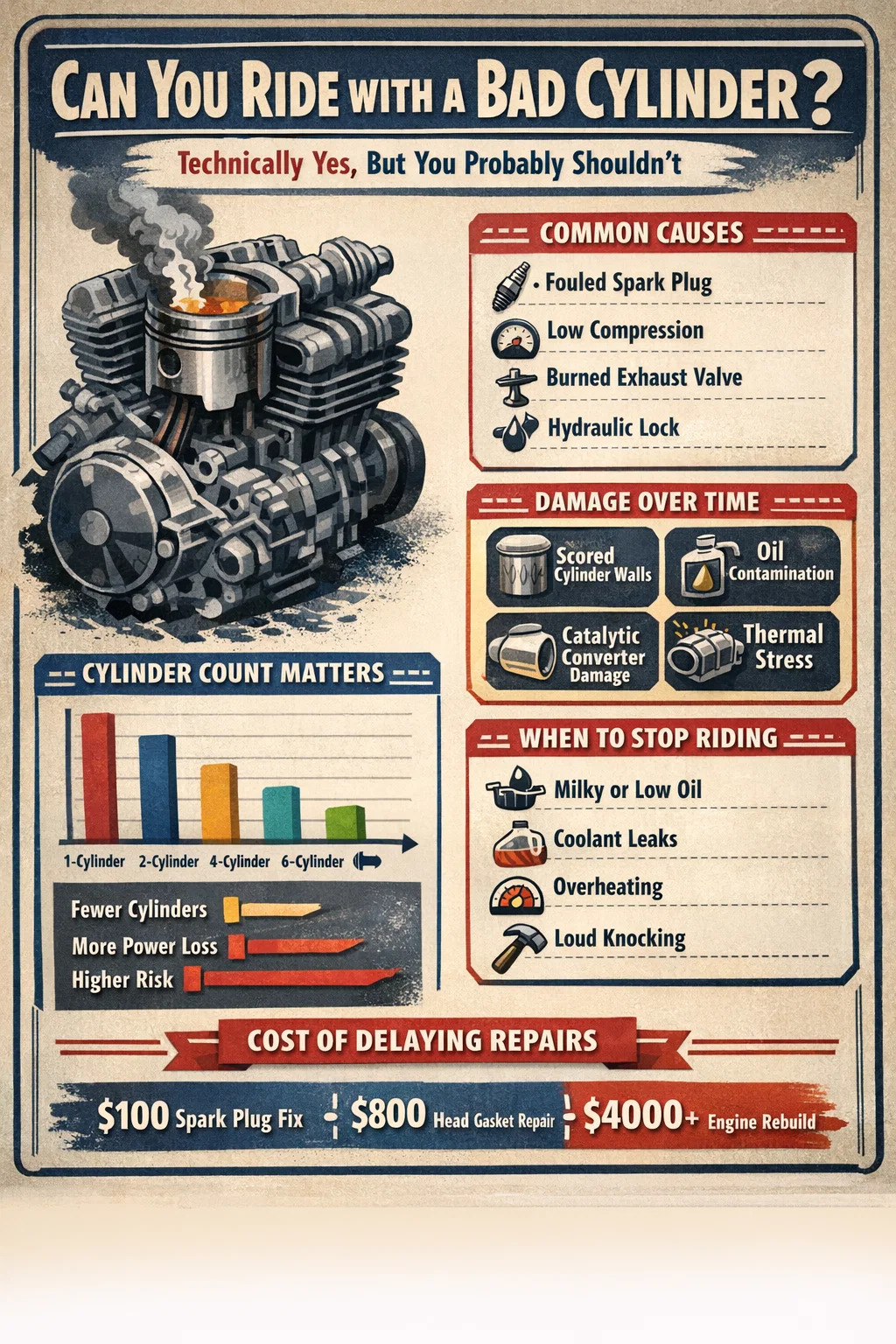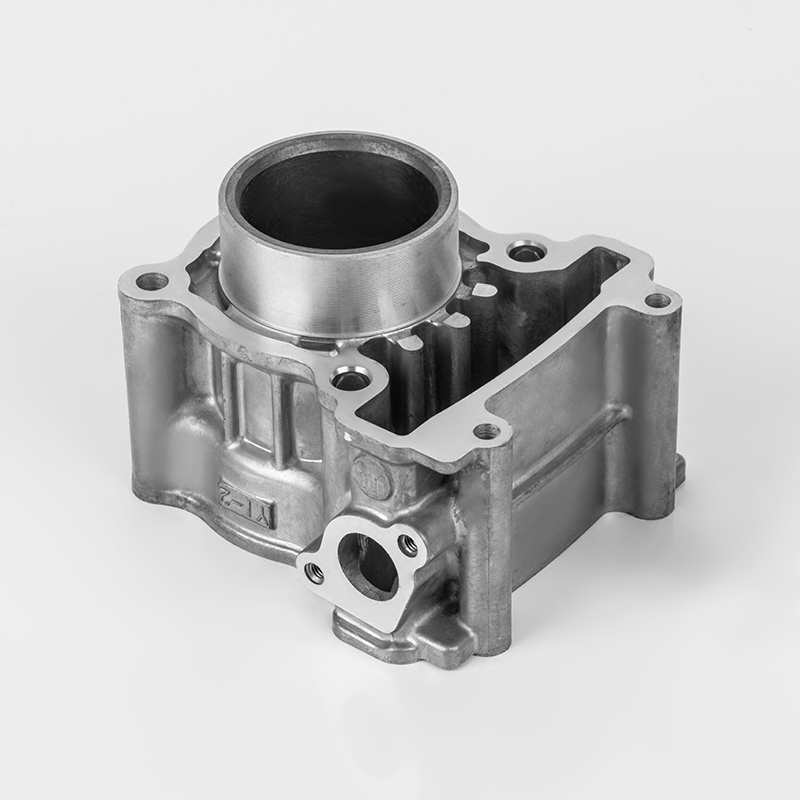



The Short Answer: Technically Yes, But You Probably Shouldn't
You can physically drive a vehicle with one bad cylinder — the engine will still run — but doing so puts the rest of the engine under serious strain and risks turning a manageable repair into a catastrophic rebuild. A misfiring or dead motorcycle cylinder doesn't just rob you of power; it creates cascading mechanical stress that can damage pistons, warp cylinder heads, foul spark plugs in neighboring cylinders, and even crack the engine block if left unaddressed long enough. Whether you're riding a two-cylinder parallel twin or a four-cylinder inline sportbike, the answer to "how long can I keep going like this?" is almost always: not as long as you think.
The severity of your situation depends on several factors: which cylinder is misfiring, the root cause of the failure, how many total cylinders your engine has, and how aggressively you're riding. A mild misfire on a four-cylinder bike is very different from a completely dead cylinder on a twin. In either case, understanding exactly what's happening — and what damage accumulates over time — will help you make an informed decision about whether to limp home, stop immediately, or push hard to reach a mechanic.
What Does a "Bad Cylinder" Actually Mean?
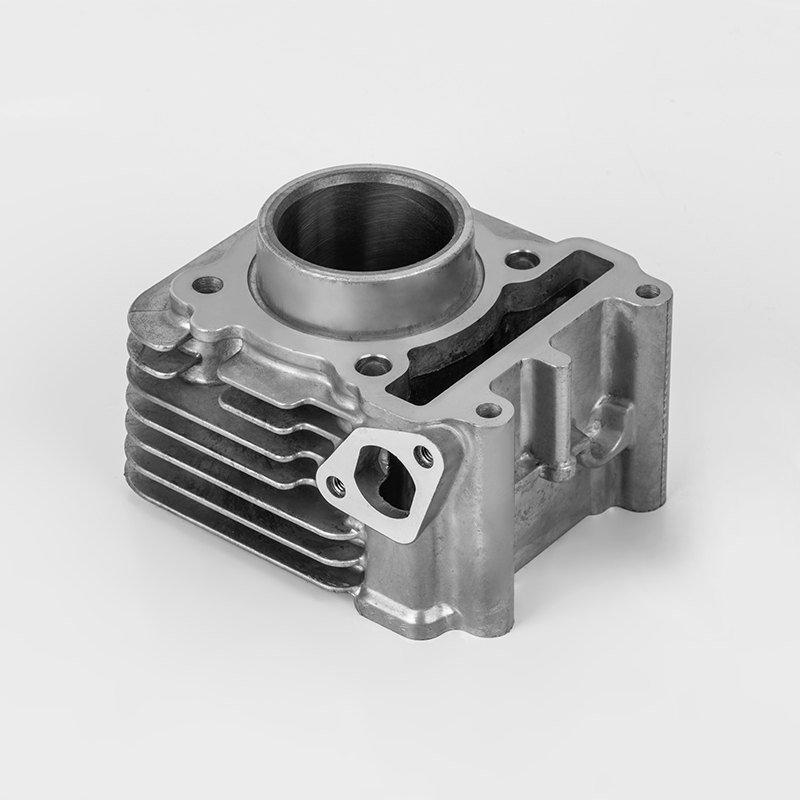
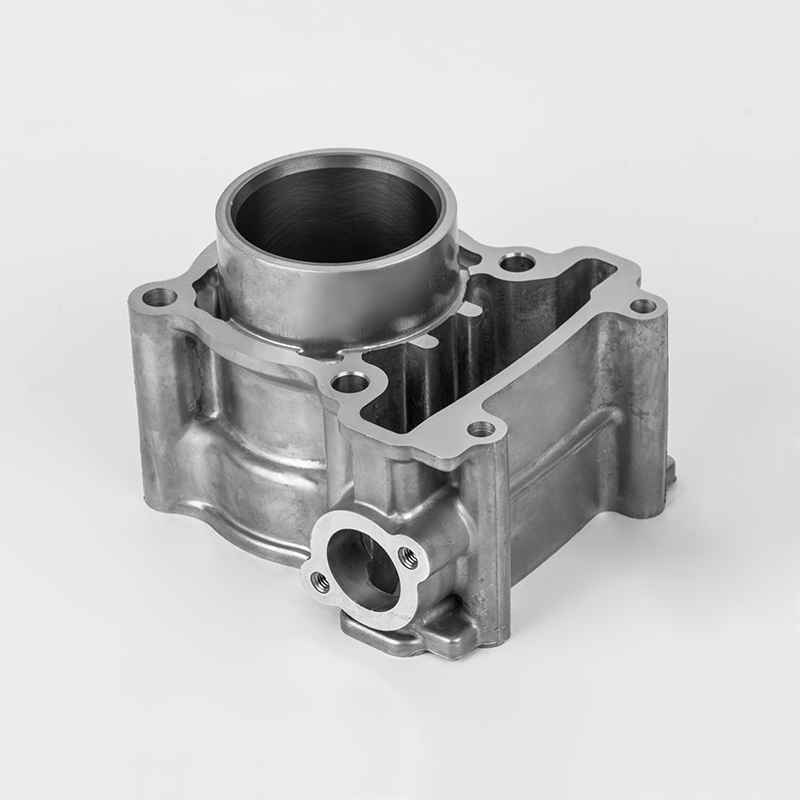
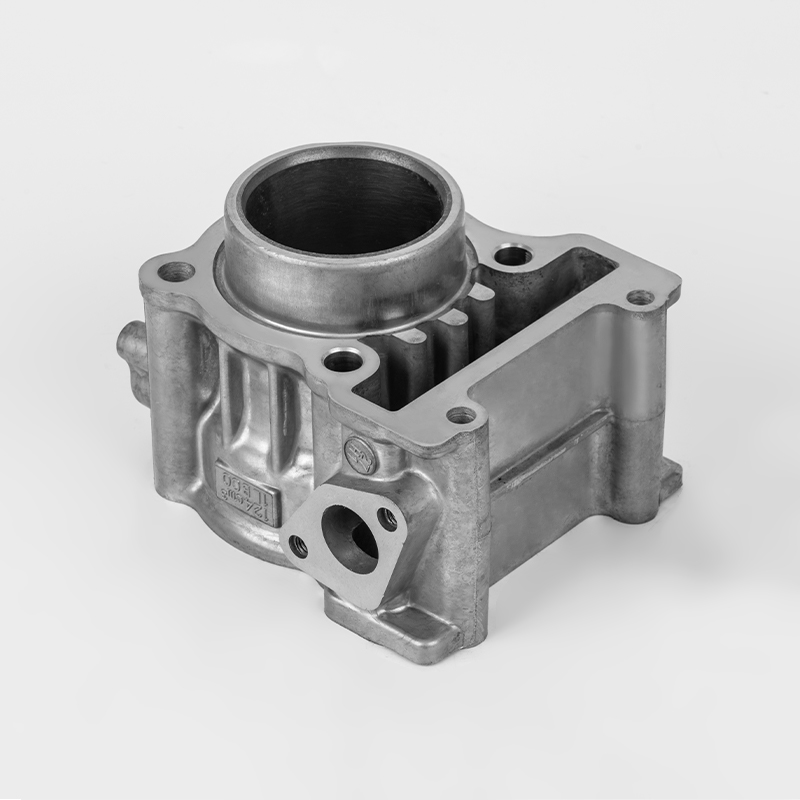
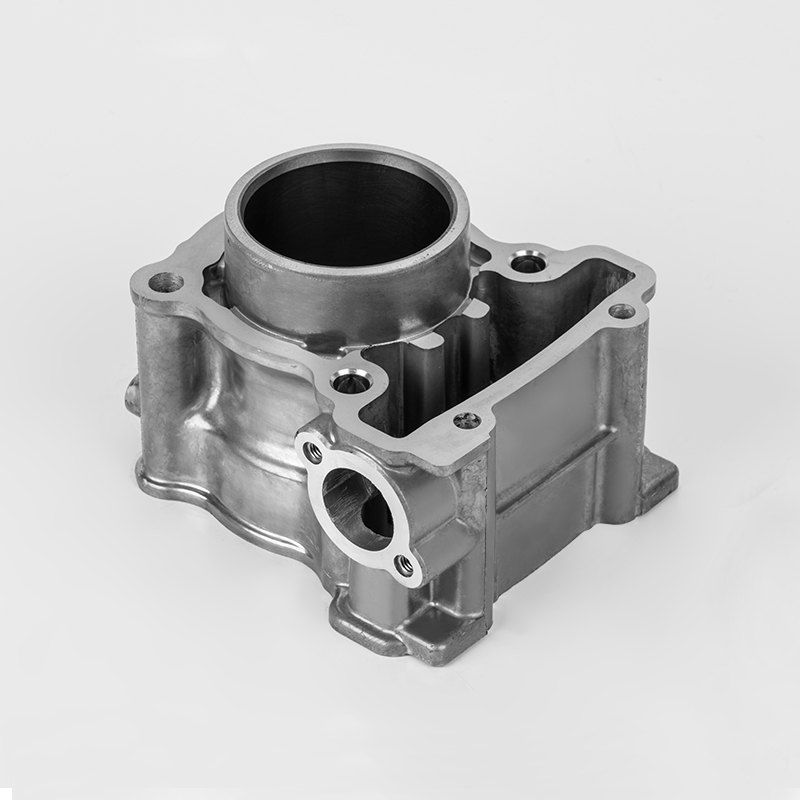
The phrase "bad cylinder" covers a wide range of conditions. A cylinder can fail partially or completely, and the underlying cause determines both the symptoms and the urgency of repair. Here are the most common failure modes for a motorcycle cylinder:
Cylinder Misfire
A misfire happens when the air-fuel mixture in a cylinder fails to ignite at the correct moment — or doesn't ignite at all during a given combustion cycle. Common causes include a fouled spark plug, a failing ignition coil, clogged fuel injector, or a dirty carburetor jet. Misfires often feel like stuttering, hesitation, or a rhythmic shudder through the handlebars. At idle, you may hear a distinct popping or uneven exhaust note.
Low Compression
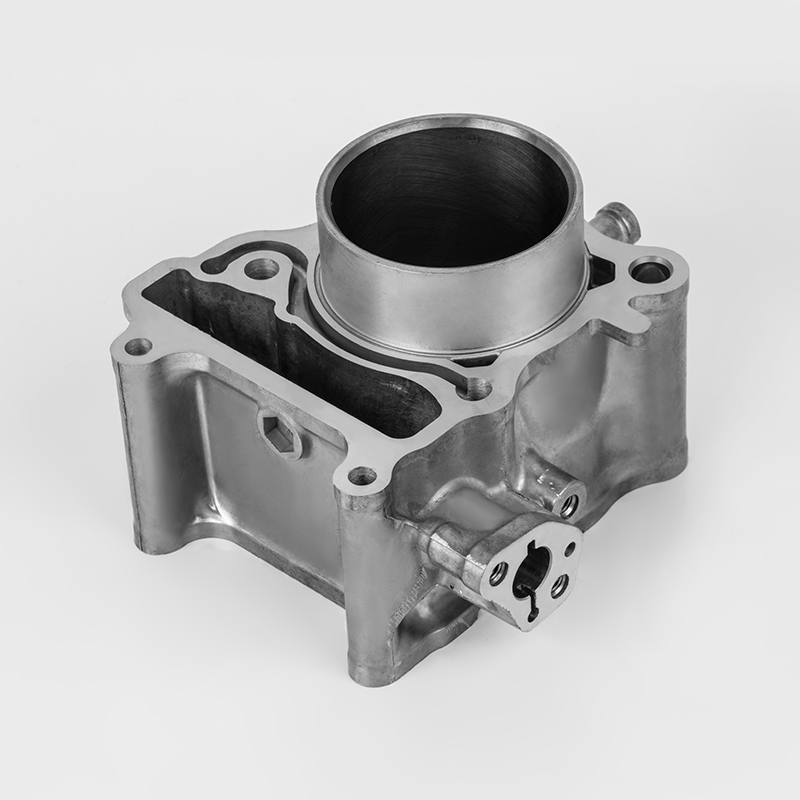
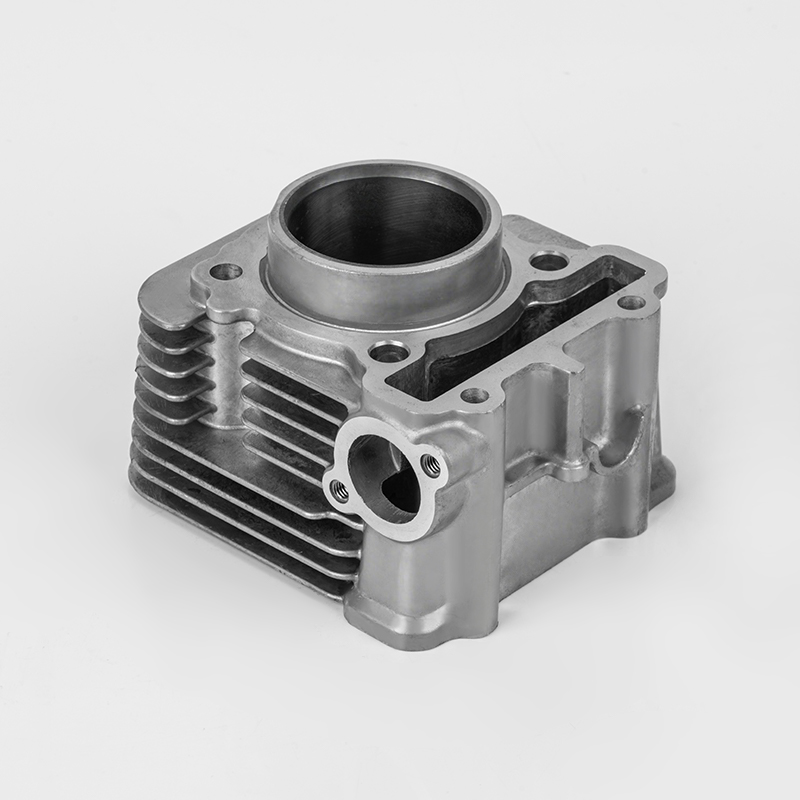
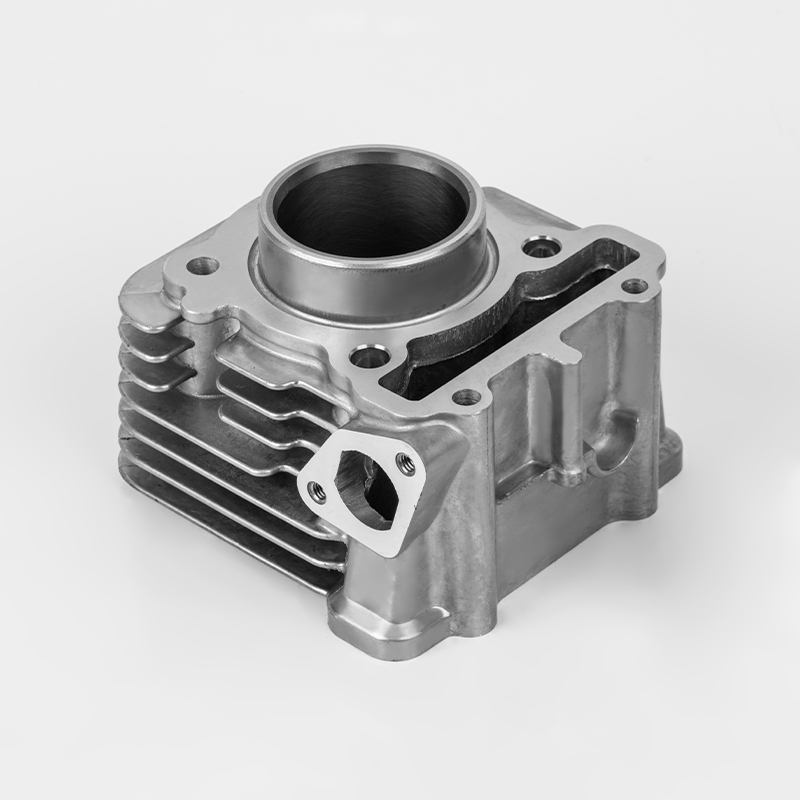
Each motorcycle cylinder requires adequate compression to ignite the fuel-air charge effectively. Low compression — typically anything below 100 PSI on most four-stroke engines — results in incomplete combustion, power loss, and hard starting. The causes include worn piston rings, a damaged or burned valve, a blown head gasket, or scoring on the cylinder wall. Low compression is more mechanically serious than a fouled plug because it often signals internal wear rather than a simple consumable failure.
Hydraulic Lock
This is the most dangerous scenario. If coolant, oil, or fuel enters the combustion chamber and pools there, the cylinder becomes hydraulically locked — liquid doesn't compress, and attempting to crank the engine can bend or break a connecting rod instantly. If your bike has sat for a long time and you suspect fluid ingestion, do not attempt to start it without first removing the spark plug and manually rotating the engine to clear the cylinder.
Burned Exhaust Valve
A burned valve allows hot exhaust gases to escape past the valve seat during the compression stroke, dramatically reducing cylinder pressure. This typically develops from prolonged lean running, incorrect valve clearances, or overheating. A compression test will reveal the problem, but a leak-down test will confirm valve integrity specifically. A burned exhaust valve in one motorcycle cylinder will not fix itself — it requires a top-end rebuild.
How Cylinder Count Changes Everything
The number of cylinders in your motorcycle's engine has a direct bearing on how badly one bad cylinder affects overall driveability and how urgently you need to stop.
| Engine Configuration | Power Loss with 1 Bad Cylinder | Engine Stress Level | Risk to Remaining Cylinders |
|---|---|---|---|
| Single-cylinder (1-cyl) | 100% — engine won't run | N/A | N/A |
| Parallel Twin (2-cyl) | ~50% | Very High | High — only one cylinder bearing the load |
| Triple (3-cyl) | ~33% | Moderate to High | Moderate |
| Inline-Four (4-cyl) | ~25% | Moderate | Lower — load distributed across three |
| V-Four / Six-cyl | ~17–25% | Lower | Lower — most manageable short-term |
On a parallel twin like a Honda CB500 or Kawasaki Ninja 650, losing one motorcycle cylinder means the remaining cylinder must handle all combustion duties on its own. This doubles the thermal load on one side of the crankshaft, stresses the main bearings unevenly, and creates severe vibration that can loosen fasteners and crack welds on the frame or exhaust headers over time. On an inline-four like a CBR600RR or ZX-6R, the situation is considerably less catastrophic in the short term — you'll notice reduced power and uneven running, but the bike remains mobile.
The Real Damage That Accumulates While You Keep Riding
This is where most riders underestimate the problem. A bad motorcycle cylinder doesn't just cost you power — it actively damages other components the longer you run it. Here's what's happening mechanically while you delay the repair:
Unburned Fuel Washing the Cylinder Walls
In a misfiring cylinder, unburned fuel passes through the combustion chamber and runs down the cylinder walls. Fuel is an excellent solvent — it strips away the thin oil film that lubricates the piston rings against the cylinder bore. Without lubrication, the rings begin to scuff the cylinder wall, leaving microscopic scratches that progressively worsen. Even 30–50 miles of misfiring can cause scoring that requires cylinder reboring or replacement of the entire motorcycle cylinder barrel.
Catalytic Converter Damage
Modern fuel-injected motorcycles with catalytic converters suffer a different problem. Raw, unburned fuel entering the exhaust stream ignites inside the catalytic converter, raising its temperature far beyond normal operating range — sometimes exceeding 1,600°F (870°C). At those temperatures, the precious-metal substrate inside the converter melts and collapses, blocking exhaust flow and sometimes causing fire risk. A catalytic converter replacement on a modern motorcycle easily runs $300–$800.
Oil Contamination
Fuel washing past misfiring cylinder piston rings doesn't just damage those rings — it dilutes the engine oil in the crankcase. Fuel-diluted oil loses its viscosity rating, reducing its protective film strength across every bearing surface in the engine. On a prolonged misfire, you can take an engine running 10W-40 oil and effectively reduce it to the protective capacity of something closer to 5W-20 or thinner. This means main bearings, rod bearings, and camshaft bearings are all running without adequate protection.
Thermal Stress on the Cylinder Head
When one motorcycle cylinder runs cold (not firing) while adjacent cylinders run hot, the differential thermal expansion across the cylinder head creates mechanical stress. Over time, this can cause the head gasket to fail at the boundary between a dead cylinder and a firing one. Head gasket replacement on a motorcycle typically requires complete engine disassembly and costs $400–$1,200 in labor alone, before parts.
Diagnosing Which Cylinder Is Bad — and Why
Before deciding how urgently to act, you need to identify both the affected cylinder and the cause of failure. Here's a systematic approach you can follow without specialized workshop equipment:
The Spark Plug Pull Test
With the engine idling roughly, carefully disconnect each spark plug wire or ignition coil one at a time. On a healthy cylinder, the engine RPM will drop noticeably when you disconnect it — the engine runs worse because you've killed a contributing cylinder. On a dead or severely misfiring cylinder, disconnecting its ignition source will produce no change in how the engine sounds or feels. The cylinder that doesn't affect idle quality when disconnected is your problem cylinder.
Spark Plug Visual Inspection
Remove and inspect the spark plugs from all cylinders. A healthy plug shows a light tan or gray electrode. A fouled plug may show black carbon deposits (rich mixture or misfire), wet oily deposits (oil burning), or white/blistered insulator (lean running or overheating). A plug that is wet with raw fuel in a cold engine confirms the cylinder is not firing at all.
Compression Test
A compression gauge screwed into each spark plug hole and a few cranking revolutions will give you cylinder pressure readings. Compare all cylinders against each other and against the manufacturer's specification (typically found in the service manual). A reading more than 10–15% below other cylinders, or below the service limit, signals mechanical wear or seal failure. Most parallel-twin and inline-four motorcycle engines spec compression between 130–180 PSI at sea level when healthy.
Leak-Down Test
A leak-down test goes further than a compression test by introducing pressurized air into the cylinder at TDC (top dead center) and measuring how quickly pressure escapes, and where. Air hissing from the exhaust pipe points to a leaking exhaust valve. Air bubbling in the coolant reservoir indicates a blown head gasket. Air coming from the dipstick or oil filler cap suggests worn piston rings. This test pinpoints the failure mechanism precisely, which matters enormously for estimating repair cost and urgency.
When Is It Safe to Ride to the Shop vs. When to Stop Immediately
Not every bad motorcycle cylinder demands you call a tow truck on the spot. The right decision depends on the cause and severity of the failure. Here's a practical breakdown:
Cases Where Short-Distance Riding May Be Acceptable
- A single fouled spark plug with no other symptoms — swap the plug if possible, or ride gently for 5–10 miles at low RPM to reach a workshop.
- A failed ignition coil on a four-cylinder bike — the engine loses roughly 25% of power but remains stable. Keep speeds moderate, avoid high-load situations, and go directly to a mechanic.
- A clogged fuel injector causing intermittent misfire at high RPM — rideable at low throttle for short distances, but requires prompt diagnosis to prevent injector pump damage.
Cases Where You Must Stop Immediately
- Engine oil level is dropping or oil appears milky — coolant is entering the oil through a blown head gasket. Continue running and you risk spun bearings within miles.
- Any coolant leak combined with a dead cylinder — engine temperature is unregulated, and you're likely minutes from a seized piston.
- Engine temperature warning light is on — overheating accelerates every failure mechanism simultaneously.
- Unusual knocking or rattling sounds — this often indicates the connecting rod or main bearing is already damaged. Continuing even a short distance can destroy the engine block beyond economical repair.
- Visible smoke from the exhaust — white smoke means burning coolant, blue smoke means burning oil, both indicate serious internal damage in progress.
The Cost Difference Between Acting Now and Waiting
Here's the financial reality that makes the repair-now vs. ride-a-bit-more decision straightforward when you do the math.
| Repair Scenario | Typical Cost Range (USD) | Notes |
|---|---|---|
| Spark plug replacement (all cylinders) | $30–$120 | DIY-friendly; iridium plugs cost more but last longer |
| Ignition coil replacement | $80–$250 | Parts + 1–2 hrs labor |
| Fuel injector cleaning/replacement | $100–$400 | Ultrasonic cleaning often restores injectors fully |
| Valve adjustment + top-end service | $300–$700 | Often preventive maintenance interval |
| Head gasket replacement | $500–$1,500 | Labor-intensive; head may need resurfacing |
| Cylinder rebore + oversized piston kit | $400–$1,000 per cylinder | Result of prolonged misfire/fuel wash |
| Complete engine rebuild / replacement | $2,000–$6,000+ | Result of ignored bad cylinder reaching critical failure |
The pattern is consistent: a $30 spark plug ignored for 2,000 miles can become a $400 cylinder rebore. A $250 ignition coil ignored across a full riding season can become a $4,000 engine replacement. The math overwhelmingly favors early action every time.
Specific Symptoms and What Each Tells You
Riders often describe the same underlying problem using different terms. Here's how to translate what you're feeling in the saddle into a diagnostic direction:
"My bike shakes badly at idle but smooths out at high RPM"
This is a classic symptom of a single-cylinder misfire. At idle, combustion events are infrequent enough that one dead cylinder creates a noticeable imbalance. At high RPM, the rapid fire cycle of the other cylinders partially masks the roughness. The misfire is still occurring at high RPM — you just feel it less. Likely cause: fouled plug, failed ignition coil, or dirty injector on the affected motorcycle cylinder.
"I lost significant power suddenly while riding"
Sudden power loss combined with rough running is more serious than a gradual misfire. It often points to a snapped spark plug (the porcelain insulator cracked and the electrode dropped into the combustion chamber), a completely failed coil, or a mechanical failure like a broken valve spring. Stop the bike and investigate before continuing.
"Hard to start, runs rough when cold, fine when warm"
This pattern often indicates a valve clearance issue rather than a consumable failure. When metal is cold, clearances are tighter — a valve that barely seals when cold may open up slightly as the engine reaches operating temperature and metal expands. Check the service manual for valve adjustment intervals. Many motorcycle cylinder heads call for valve clearance inspection every 12,000–24,000 miles.
"One exhaust header is noticeably cooler than the others"
You can verify this by carefully touching each exhaust header after a short warm-up period (use extreme caution — exhaust pipes can exceed 400°F). A header that stays cool while others are too hot to touch confirms that its corresponding cylinder is not firing. This test works especially well on multi-cylinder bikes with separate exhaust ports.
Riding Safety Considerations with a Bad Cylinder
Beyond the mechanical damage discussion, there's a safety dimension that often gets overlooked. A motorcycle with a bad cylinder is not just an unreliable machine — it's potentially a dangerous one in certain conditions.
Reduced Power During Critical Maneuvers
Highway merging, emergency acceleration to avoid a hazard, and uphill passing all require peak engine output. A twin losing one motorcycle cylinder has lost 50% of its available power — a situation that could leave you stranded at low speed in the middle of a high-speed lane merge. On a four-cylinder bike the deficit is less severe, but any unexpected power interruption mid-maneuver creates hazard.
Vibration and Control
A severely misfiring engine transmits unusual vibration through the frame and handlebars. Over a long ride, this vibration is fatiguing and reduces your fine motor control over the handlebars. In traffic-heavy or technically demanding riding environments, that degraded control is a genuine risk factor.
The Risk of Complete Failure Underway
An engine with a bad cylinder is under abnormal stress. If that stress causes a secondary failure — a seized piston, a broken rod, or a hydraulic lock from oil being pumped into the cylinder — the engine can lock up suddenly while the bike is in motion. A sudden rear-wheel lockup from engine seizure is one of the most dangerous mechanical failures a motorcycle rider can experience, particularly at speed. This risk alone is sufficient reason to trailer or truck the bike to a shop rather than ride it through a moderate misfire.
Preventive Steps to Avoid Cylinder Problems
Most motorcycle cylinder problems don't appear without warning — they develop gradually over time, often from deferred maintenance. Staying on top of these intervals dramatically reduces the chance of facing a bad cylinder situation:
- Replace spark plugs on schedule. Standard copper plugs typically need replacement every 8,000–12,000 miles. Iridium or platinum plugs extend that to 20,000–30,000 miles, but don't assume they're immune — inspect them annually regardless.
- Check and adjust valve clearances. Tight valves are one of the leading causes of low compression and burned exhaust valves. Follow the manufacturer's interval, not the "check when something feels wrong" approach.
- Use quality fuel and keep injectors clean. Ethanol-blended fuels can degrade rubber components in older fuel systems and leave varnish deposits on injector tips. A fuel system cleaner added every 5,000–8,000 miles helps prevent clogging.
- Never skip oil changes. Degraded oil loses viscosity and allows the microscopic metal particles from engine wear to accumulate in the crankcase. This accelerates wear on cylinder walls and piston rings.
- Address any rough idle or unusual exhaust note immediately. Motorcycles communicate mechanical problems early through sound and feel. Dismissing these early signals is the most common reason a simple repair becomes an expensive rebuild.
- Perform a compression test annually on high-mileage engines. Any engine with more than 30,000 miles benefits from a baseline compression check each season. A year-over-year comparison reveals wear trends before they become failures.
Frequently Asked Questions
Can I ride my motorcycle with one cylinder not firing?
For very short distances at low speed to reach a repair shop, possibly — depending on how many cylinders your engine has and why the cylinder is dead. A four-cylinder bike may manage a few miles at reduced throttle. A parallel twin is far more compromised and should not be ridden beyond an immediate, slow stop. Never ride normally with a dead cylinder expecting no consequences.
How do I know if my motorcycle has a bad cylinder vs. a bad spark plug?
Start by swapping the suspect spark plug with a known-good one from another cylinder. If the misfire follows the plug to its new location, you have a bad plug. If the misfire stays in the original cylinder even after installing a new plug, the problem is deeper — likely a failed coil, injector, or mechanical issue within the motorcycle cylinder itself.
Will a bad cylinder damage my engine if I only ride it a short distance?
It depends on the cause. A misfiring cylinder that washes fuel down the cylinder walls begins causing measurable scoring damage within miles. A mechanically sound cylinder with a failed ignition coil is less immediately damaging but still stresses the engine through uneven combustion loads. There is no truly "safe" distance to ride on a bad cylinder — every mile carries some risk of accelerated damage.
Can a bad cylinder fix itself?
No mechanical engine fault resolves on its own. Some intermittent misfires can seem to disappear temporarily — for example, a partially fouled plug may clear itself momentarily under high combustion temperatures — but the underlying cause remains. Intermittent problems that appear and vanish are still problems, and they typically worsen over time rather than stabilizing.
What happens if I ignore a bad cylinder for an entire riding season?
The likely outcomes range from extensive cylinder wall scoring and piston ring failure (requiring full top-end rebuild) to catalytic converter destruction, head gasket failure, or complete engine seizure. A $50–$150 fix ignored for a season very commonly transforms into a $2,000–$5,000 engine rebuild. No exception applies to this pattern — the damage is cumulative and irreversible.
Is it safe to ride a motorcycle with low compression in one cylinder?
Low compression indicates internal mechanical wear or seal failure that will not improve without repair. Riding with one low-compression cylinder accelerates wear in that motorcycle cylinder and in the surrounding engine components. Whether it's immediately dangerous depends on how low the compression is and what's causing it — but it is never safe to ignore over the medium term.